
Can You Legally Live in a Caravan in Australia? What You Need to Know
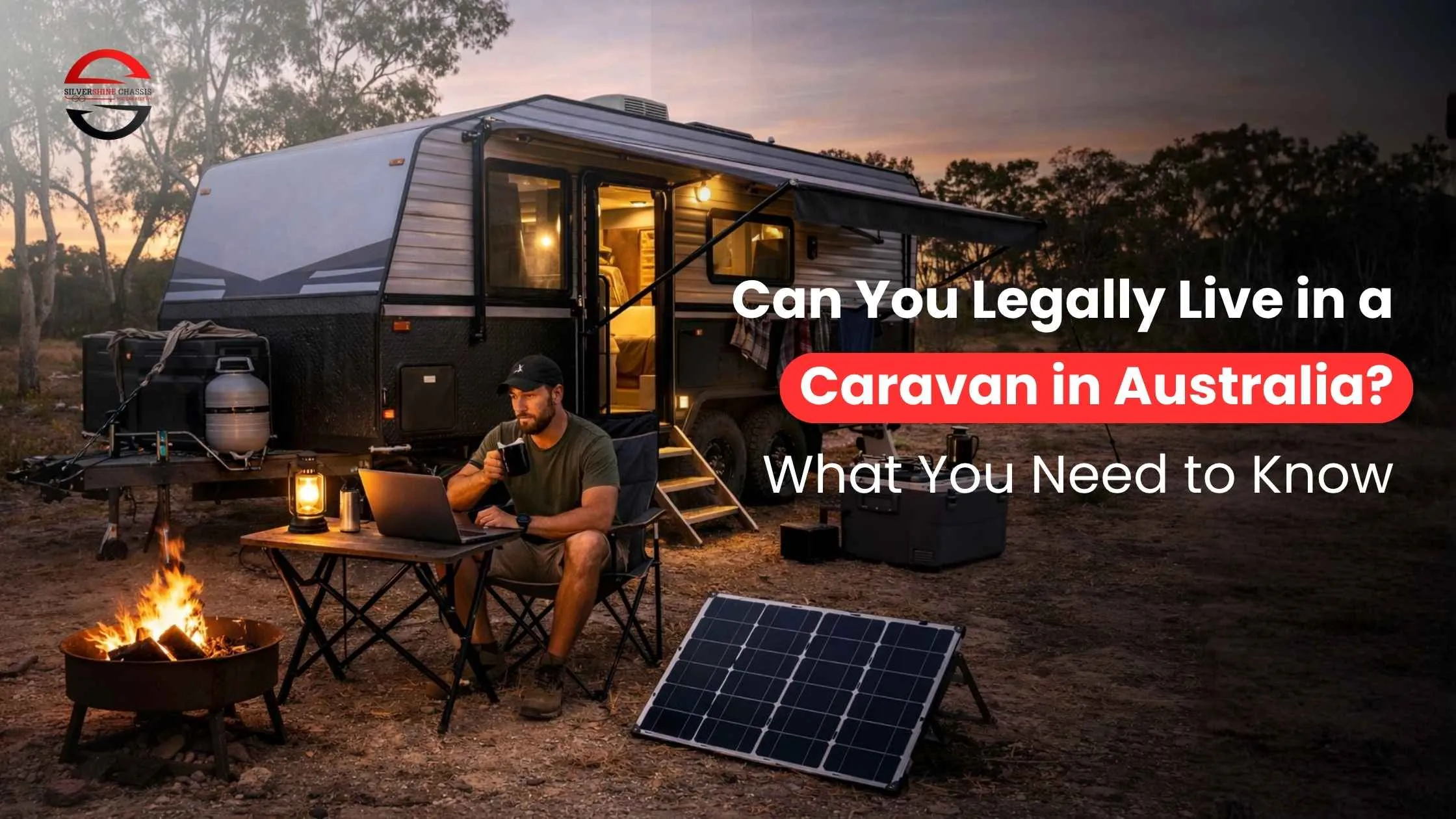
Thinking about living in a caravan in Australia? You’re not alone. Thousands of Australians are choosing caravan living as a real, full-time lifestyle. But before you hit the road, you need to understand the rules. This guide breaks it all down in plain language. Caravan life sounds exciting waking up near the ocean, driving through the outback, or parking somewhere new every week. But there’s a big question a lot of people forget to ask first: is it actually legal?
The short answer is yes but the longer answer depends on where you plan to live and how you set things up. Let’s go through everything you need to know.
Is it legal to live in a caravan in Australia?
Yes, living in a caravan is legal in Australia. However, the rules are not the same across the country. Each state and territory has its own laws about where you can park a caravan and call it home.
Your options generally fall into a few categories:
Caravan parks and lifestyle parks – These are the most straightforward option. Most parks across Australia allow long-term residents. You pay a weekly or monthly site fee, and you get access to amenities like power, water, laundry, and sometimes Wi-Fi.
Private land – You can sometimes stay on private land, but the rules change depending on the council area. Some councils allow it for short stays; others don’t permit it at all without special approval.
Your own property – This is where many people get confused. Just because you own land doesn’t automatically mean you can live on it in a caravan. Local council planning laws, zoning rules, and sanitation requirements all come into play. In many areas, you’ll need council approval before making a caravan your permanent home.
| Pro Tip:
Before you settle anywhere, call your local council and ask about zoning laws for caravan dwellings. It takes five minutes and can save you a lot of trouble later. |
What are the rules for living in a caravan park long-term?
Living in a caravan park long-term is one of the most popular and legally straightforward ways to enjoy caravan life in Australia. Most parks welcome permanent or semi-permanent residents, especially in regional areas and coastal towns.
Here’s what you typically need to know:
Site agreements – Long-term residents usually sign a site agreement with the park. This is different from a casual holiday booking. It gives you more rights and stability, but also comes with responsibilities like keeping your site tidy and following park rules.
Costs – Weekly fees at caravan parks vary widely. Budget parks in regional areas might charge $150–$250 per week, while coastal or city parks can be significantly higher. Always ask what’s included, some cover electricity and water, others charge separately.
State-specific rules – Each state has legislation that covers caravan park residents. For example, in NSW, the Residential (Land Lease) Communities Act protects long-term residents. In Queensland, the Manufactured Homes (Residential Parks) Act applies. Understanding your rights as a long-term resident is important before signing anything.
Facilities – Established caravan parks typically offer shared bathrooms, kitchens, laundries, and community areas. Many parks designed for long-term residents also include gardens, recreational facilities, and a strong sense of community.
Can you live in a caravan on your own land?
This is one of the most common questions people ask and the answer isn’t simple. Living on your own land in a caravan depends heavily on your local council’s planning rules.
Some councils will allow it as a temporary arrangement, for example while you’re building a permanent home. Others permit it under specific conditions, such as having a functioning septic system and access to clean water. In many residential zones, however, living in a caravan full-time without an approved dwelling on the property is not allowed.
The rules also differ depending on whether your land is zoned residential, rural, or agricultural. Rural properties often have more flexibility. Residential lots in suburban areas usually have stricter requirements.
If you want to live on your own land in a caravan, the steps are straightforward: contact your local council, explain your situation, and ask what approvals you need. Some people are surprised to find the process is easier than expected, especially in regional and rural areas.
| Important
Never assume you can simply park on your own land and start living there. Even as the property owner, you must comply with local planning laws. Doing it without approval can result in fines or orders to move. |
How to travel full-time and stay within the law
Many Australians choose a touring lifestyle moving between campgrounds, national parks, and caravan parks rather than staying in one fixed location. This is one of the most legally flexible ways to enjoy caravan living.
Here are the key rules to understand:
Free camping time limits – Free or low-cost camping on public land (like rest areas or national parks) comes with time restrictions. In most states, you’re allowed to stay at a designated rest area for 24 hours. Some areas allow longer stays; others are for overnight use only. Always check the signs and the relevant state authority’s website before you settle in.
National park permits – Camping inside national parks usually requires a permit and payment of camping fees. Rules about pets, campfires, and noise also apply.
Road rules for towing – Your caravan and tow vehicle combination must meet Australian road safety standards. This includes weight limits, tyre requirements, lighting, and safety chains. Your driver’s licence must cover the weight of your tow vehicle and van combined.
Vehicle and caravan registration – Your caravan must be registered and roadworthy. If you’re planning to live in it full-time, make sure your insurance policy covers permanent or extended use.
What do you need to set up a legal and comfortable caravan home?
Once you’ve sorted the legal side, the practical setup is what makes caravan living genuinely enjoyable rather than just survivable. A well-equipped caravan means you’re not constantly dealing with problems on the road.
The key systems to get right are power, water, waste, and connectivity.
Power – Solar panels combined with a good battery system give you freedom from relying on mains power. A 200–400W solar setup with 100–200Ah of lithium battery storage is a common starting point for full-time living.
Water – A freshwater tank of at least 100 litres gives you a few days of independence between refills. Some caravans have grey water tanks to collect used water, which is important in areas where you can’t drain onto the ground.
Waste – Having a proper toilet system whether a cassette toilet, composting toilet, or connection to park sewage is essential for legal compliance in most areas. Dumping waste incorrectly can result in heavy fines.
Connectivity – A mobile data plan and a signal booster or Starlink dish can keep you connected for remote work or communication. This is especially important if you’re working from the road.
Conclusion:
At Silvershine Chassis, Melbourne, Victoria & Australia, we build caravan chassis designed to handle Australia’s real conditions: corrugated dirt roads, steep descents, and the kind of terrain most standard setups aren’t built for. Getting the foundation right matters as much as everything on top of it. If you’re planning to live in a caravan or upgrade your setup, choose a chassis built for durability, safety, and long-term performance. Get in touch with Silvershine Chassis today to discuss your requirements and build a caravan that’s ready for Australia’s toughest conditions.
Frequently Asked Questions:
2. How long can you stay at a caravan park in Australia?
Many caravan parks in Australia allow long-term stays, and some are set up specifically for permanent or semi-permanent residents. The length of stay depends on the park's policies and your site agreement. Some people live in caravan parks for years.
3. Can I live in a caravan on my own property?
Sometimes, but not always. It depends on your local council's zoning rules and whether you meet requirements around water, waste, and sanitation. In some areas you need council approval first. Always check with your local council before assuming it's allowed.
4. Is caravan living cheaper than renting?
It can be. Caravan park fees are often lower than rent in major cities, and free camping can reduce costs even further. However, you also need to factor in fuel, caravan maintenance, registration, insurance, and site fees. The savings depend heavily on your lifestyle and how you manage costs.
5. Do I need a special licence to tow a caravan in Australia?
In most Australian states, a standard car licence (Class C) covers towing a caravan as long as the combined weight of the vehicle and van stays within your licence class limits. If the combined weight exceeds 4,500kg, you may need a higher licence class. Always check your state's road authority rules.
6. How long can you free camp at a rest area or public land in Australia?
Most designated rest areas allow a maximum stay of 24 hours. Some areas permit longer stays, while others are for short breaks only. National parks require a permit for overnight camping. Always check signage and the relevant state or territory authority's website before stopping.
7. What is the difference between a caravan park and a lifestyle village?
A caravan park typically caters to a mix of travellers and long-term residents, with shared facilities and short- or long-term site leases. A lifestyle village (or residential park) is designed specifically for permanent residents, often with stricter age or lifestyle requirements and more residential-style amenities. Both offer legal long-term caravan living options.